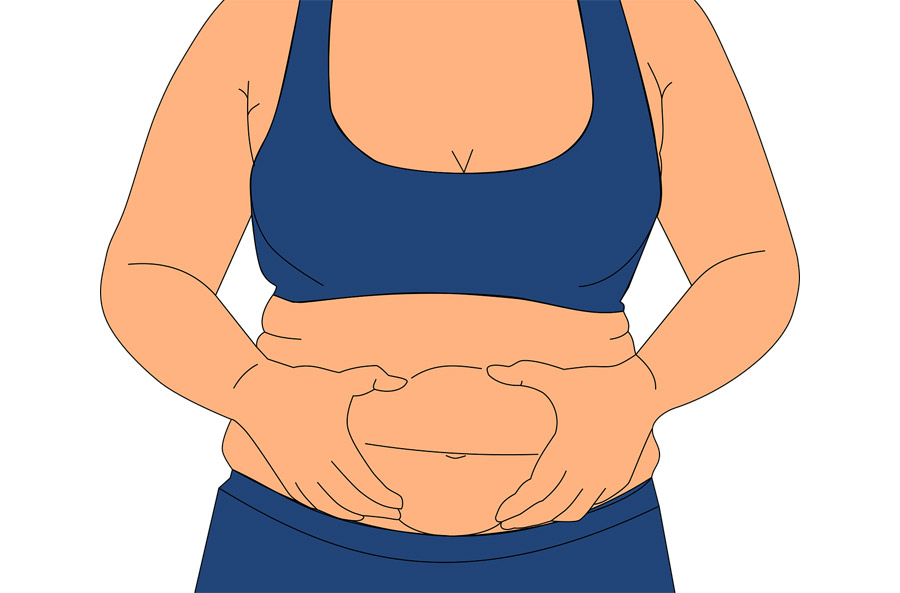
An obvious result of overeating is to put on weight. But what if you’re not overeating and can’t seem to lose weight? You exercise, you eat the right foods, cut down on the bad foods but nothing changes!
This could be because of stress.
Stress comes in many forms. It can be a one-off situation that causes some stress like a house move or it can be continual and long term such as long term financial problems.
Long Term Stress
It’s the long term stress that can cause a problem. The stress can be physical as well as mental/emotional. Here are some examples of long term stress:
- relationship issues – not know if the relationship is going to continue; an abusive relationship
- financial problems – not having enough money to pay the bills; being self-employed and not knowing when you’re going to get paid
- family issues – taking care of an elderly relative on top of everything else you need to do; caring for a sick child long term
- lack of sleep – long term tiredness
- excessive exercise over a long period
You can probably think of more.
But what does this have to do with gaining weight or being unable to lose weight?
Hormone Issues
The key is the 2 hormones – Insulin and Cortisol
Insulin is a hormone that regulates nutrients in the body. It tells the cells to pick up the sugar from the blood and use it for energy. The cells do this, the amount of sugar in the blood is reduced and the cells feel fed which provides you with energy.
If there is an excess of sugar in the body then insulin will store it for later use in the liver and then as fat. If you eat high sugar foods and refined carbohydrates the insulin level remains high and the body becomes a fat-storing machine.
Cortisol is a hormone which provides the body with sugar by tapping into storage. It’s known as the “fight or flight” hormone and is sent into the system when the body is under stress – whether that’s physical stress or mental stress. It raises the blood sugar level in order to provide instant energy to handle the immediate danger.
Cortisol inhibits insulin to prevent sugar being stored so it can be used immediately.
Cortisol mobilizes fat from storage and relocates it to visceral (internal organs) fat cells for later use – which is why stomachs can often be large.
Excessive cortisol over a long term causes a problem. The cells become starved of sugar because insulin is constantly being suppressed by the cortisol. The cells are crying out for energy which sends hunger signals to the brain. You then eat even though you don’t actually need it and the vicious circle continues.
How to deal with stress
There are 2 areas to tackle – physical stress and mental stress.
Physical stress
This would include:
- Regular exercise but nothing too strenuous. Excessive/strenuous exercise when you’re not used to it can have the opposite effect and cause more stress. Going for a walk is a good way to get some physical activity but isn’t stressful on the muscles – it’s also good for mental stress as you can look around and get your attention out. See the article Best Exercise for Beginners or Unfit
- Modify your diet so you aren’t eating refined carbohydrates, sugars and acidic foods which all put stress on the body
- If you work at a desk all day long make sure you get up at least once an hour and move around, do a few knee bends, stretch etc. This helps to get the blood flowing around the body. Sitting in one position for hours on end puts stress of the body because we aren’t meant to sit like that! Even worse if you’re sitting in front of a computer all day

Mental stress
The first thing is to isolate what the stress is. Sometimes there’s a general feeling of “being stressed” without any obvious cause – but there is always a cause and if you can work out what that is you can do something about it.
If the stress is from something like having to look after an elderly relative then take a look and see what you can do that would reduce the stress. Maybe get some help from a friend/family member so you can have some me-time. Or maybe get some financial help from something like a carer’s allowance.
The most important thing to do is to recognise where the stress is coming from and then see what you can do about it.
Download this “Stress Buster” worksheet to help manage your stress.
Other things you can do to relieve stress are:
- Go for a walk and look at your surroundings as you walk.
- Relax by taking some deep breaths. It’s interesting how when you’re stressed you often only take shallow breaths. By controlling your breathing you not only start to feel relaxed but you get more oxygen into the body which helps a lot.
- Take up a hobby, something you can do that you enjoy and takes your attention off whatever is causing you to be stressed.
- Do some gentle exercise (this ties in with the physical stress handling above)
- Write a “to do” list every day. This can help to focus your thoughts on what you need to do and a sequence in which to do them. This helps if your stress is as a result of having more to do than you think you can handle.
- Get enough sleep. See the article 7 Ways to Prepare for a Good Night’s Sleep
Things NOT to do when feeling stressed
- Don’t drink alcohol. This raises your blood sugar level, creates a sugar crash and also reduces your mental capacity.
- Don’t eat cake, biscuits, chocolate! This just makes everything worse.
- Stay in bed and pull the covers over your head – see the Stress Busting Worksheet above.
If you’ve found successful ways of dealing with stress let us know in the comments section below.
Here’s to being able to prevent weight gain by being less stressed!
