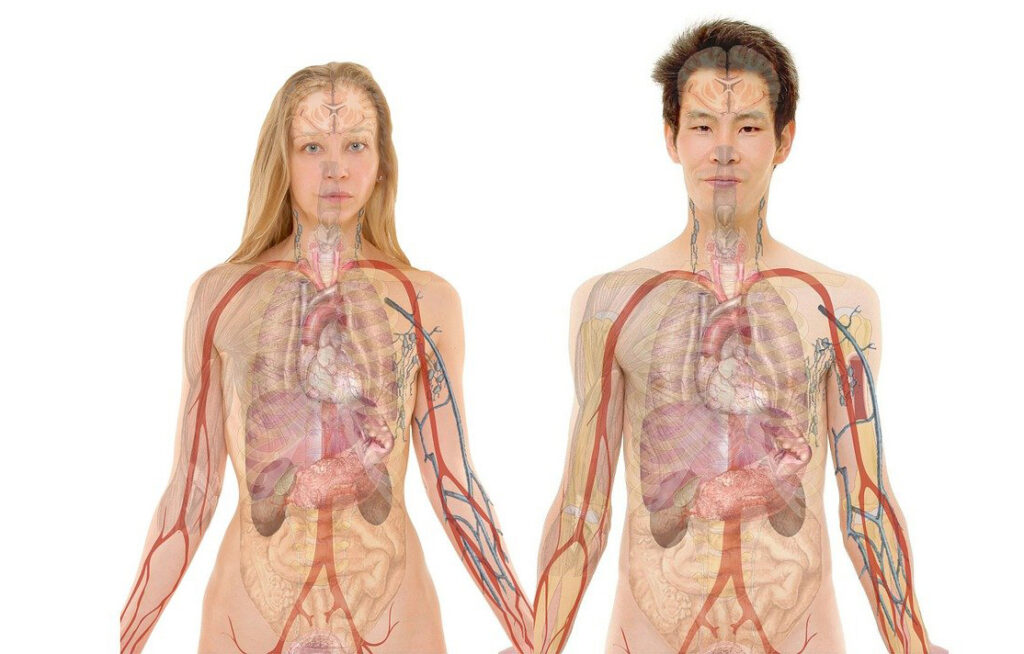
Stress affects just about everyone’s daily lives. Unfortunately, stress can affect your body in ways that can have a long-lasting impact on your health.
Here are some ways stress can affect your health:
The Effect Of Stress On Your Gastrointestinal Tract
Stress triggers the body’s fight or flight response so that epinephrine and norepinephrine are released from your adrenal glands. This has multiple effects on the body.
One thing this phenomenon does is shunt blood away from the gastrointestinal tract and toward the muscles of the body as a way of gearing up to “fight or flee” from a real or imagined opponent. This can lead to a decreased blood flow to the gastrointestinal tract, which translates into indigestion and poor uptake of nutrients.
Have you ever noticed that when you’re really stressed or anxious you get a tight knot feeling in your stomach? And you find yourself going to the toilet more? This is a direct result of the stress – it has an effect on your digestive system and you may find yourself pooping more often!
Fortunately, this can be short-lived unless you live under situations of chronic stress. Then the GI system will be more permanently affected.
The Effect Of Stress On Your Cardiovascular System
Stress causes the release of epinephrine and norepinephrine, which automatically raises your blood pressure and heart rate.
This puts more stress on your heart and puts you at higher risk of suffering from hypertension-related diseases like heart failure, stroke and heart attack.
These kinds of things do not happen overnight but if you suffer from chronic stress, the long-lasting implications of heart disease, peripheral vascular disease, heart failure and stroke are real possibilities, especially if you do not eat well or have a strong family history of heart disease.
The Effect Of Stress On Your Immune System
Excess stress also causes the release of cortisol from the adrenal cortex.
Cortisol has many effects on the body but one of the main ones is that it suppresses the immune system. High levels of cortisol mean that you are at greater risk of getting colds and the flu and have a harder time healing from open sores, cuts, or wounds. Cortisol can suppress several aspects of the immune system so you will find yourself sicker more often when under stress than you would be if you were under less stress.
Find out more in this article How worry, anxiety and depression affect your immune system
Things You Can Do To Reduce Stress
Because stress can wreak havoc on your body, you need to do what you can to lessen the stress on your life so you can remain healthy.
Sometimes it’s just a matter of reducing the things in your life that are major sources of stress. It might mean getting out of a stressful relationship, getting your finances in order or changing your job situation so you don’t go to work each day with stressful feelings.
Here are some more ideas on how to reduce stress: 5 Ways to Reduce Stress