
How Walking Helps Reduce the Risk of Heart Attack
In a recent report based on a study done at Brigham and Women’s Hospital in Boston, USA, doctors found that women who walked at a brisk pace three or four hours per week reduced their risk of a heart attack by 30 to 40%; those who walked at least five hours per week reduced their risk by 50%.
They went on to state that one-third of coronary events in middle-aged women are due to physical inactivity. Walking can reduce your risk of a heart attack by…
1) Lowering your blood pressure
One of the causes of a heart attack can be high blood pressure – known as hypertension. This “silent killer” causes your heart to work extra hard to pump blood throughout your body. Walking, along with eating properly, losing weight, stopping smoking and restricting your salt intake, has shown to decrease high blood pressure and therefore decrease your risk of a heart attack. (see more below)
2) Reducing stress
Walking reduces the amount of stress hormones released in our body. An overabundance of stress hormones elevates your blood pressure. However, by exercising, your mind focuses less on what is causing you stress and more on the repetitiveness of doing the exercise, not to mention the advantage of being outside and concentrating on your environment rather than the stress.
With less stress hormones in your system, your blood pressure lowers itself.

3) Reducing cholesterol
The higher your cholesterol level – a ratio of HDL, LDL and triglycerides (another fat in your bloodstream) – the greater chance you’ll have a heart attack.
Cholesterol is a fat-like substance that when found in excess, can build-up on the walls of your arteries and cause, at the very least a narrowing, or worse a blockage. With a narrowing, your heart will not get as much oxygen as it needs and you will get chest pains. If one of your arteries becomes blocked, you suffer a heart attack.
By walking, you can naturally raise your good HDL and reduce your bad LDL cholesterols thus lowering your overall cholesterol level.

4) Stabilizing your blood sugar level
When you eat foods high in sugar, your pancreas releases insulin into your bloodstream to break down the sugar. But in many people, the insulin response is too great, thus processing too much sugar. Your body responds in the form of a craving for sugar so you eat something sweet … and the yo-yo cycle continues.
Why this is bad is that over time, your body becomes what is known as insulin resistant. In other words it takes more insulin than your body is capable of creating to break down sugar. The result – Type 2 diabetes and generally an associated weight gain. As your body becomes insulin resistant, a thickening of your arteries happens with symptoms and results similar to high cholesterol.
Walking takes energy and that energy comes from your blood sugar. With less excessive blood sugar to control, insulin can do its work effectively thus preventing insulin resistance.
Note – Eat Properly
All the walking in the world will not reduce your risk of a heart attack unless you also eat properly. Many of the above symptoms are linked to not eating right. By eating foods low in salt, sugar and saturated fat, along with regular walking, you can significantly reduce your risk of a heart attack.
How Walking Can Help Blood Pressure
There is a definite correlation between walking and blood pressure. And it’s a good one.
Did you know as little as thirty minutes of walking a mere three times a week might be enough to significantly lower your blood pressure?
Many sufferers of high blood pressure may also suffer from the incorrect assumption that extremely intense physical activity is needed to have any significant impact on BP readings. But fortunately, that does not appear to be the case. A study published in the Journal of Epidemiology and Community Health cited research taken from 106 healthy civil servants who participated in a twelve-week exercise program. All of the participants had sedentary jobs, which provided little to no physical activity.

One-third of the field was directed to take brisk walks for thirty minutes a day, five days a week. Another third were simply asked to walk briskly for thirty minutes a day for only three days a week. The remaining volunteers were told to alter their lifestyles in no way at all.
The thirty-minute time period was chosen because research has led to many programs in the United States and other countries which tout this minimum number as a daily requirement for moderate exercise to maintain healthy fitness levels.
Study participants wore pedometers to monitor their walking levels, with researchers frequently measuring blood cholesterol, hip, weight and waist size, as well as the all-important blood pressure. These measurements were taken before and after the study, which showed a systolic blood pressure drop of 5 and 6 points respectively for those volunteers which participated in a walking regimen for three and five days. Waist and hip measurements also decreased by roughly 2.4 cm, with no changes found in the sedentary volunteer group.
And a researcher at Queen’s University in Belfast, Northern Ireland, Mark A. Tully, said that a decrease of just a few points in BP, accompanied with even a very small reduction in waist and hip size, can significantly reduce your risk of death due to a myriad of heart diseases. This is because the physical act of walking promotes healthy blood flow to all areas of your body.
During walking and other exercises, your systolic blood pressure ramps up to increase blood flow, which delivers much-needed oxygen to your working muscles.
Make a concerted effort to add more walking to your daily routine and the simple exercise can help regulate your blood pressure, keeping your heart healthy and strong.
How Walking More Can Help Prevent Diabetes
If you already have diabetes, walking more can help control the affliction and avoid many of its dire consequences. And if you are at risk for diabetes, simply walking more each and every day could keep you from contracting this potentially deadly disease altogether. This is because the act of walking not only helps you shed pounds but it also substantially increases the number of insulin receptors which are located on your cells.
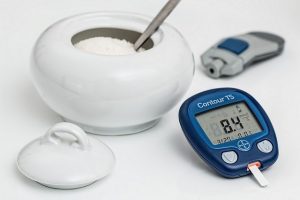 This allows your insulin to help blood sugar move into the cell directly, where it needs to go for proper functioning.
When blood sugar gets stuck in your bloodstream, it runs the risk of becoming attached to blood vessel walls, and possibly decreasing or even totally stopping blood flow in some areas of your body.
Several studies have shown that for people with diabetes who take insulin, a regular regimen of walking can even help reduce the amount of medication that is required. Walking helps your heart beat faster to move blood throughout your body, and this helps oxygenate your muscles, which aids in burning blood sugar as well.
And as a wonderful side effect, increasing the amount of time you spend walking can also positively affect your grey matter. As a brain-sharpening and diabetes-defeating activity, the act of walking efficiently combats slowed brain activity which is often impaired in older diabetes sufferers.
Scientists have noticed that in many cases with older diabetic patients, the ability to think clearly is drastically reduced. But in at least one study, simple physical activity such as walking actually stimulated the very type of brainwave activity which diabetes had impaired.
Gerald Bernstein is an MD and endocrinologist at Beth Israel Medical Center in New York City, and he agrees with multiple findings that average to brisk sessions of walking just thirty minutes a mere three times a week is enough to significantly impact your fitness levels in a positive manner. This means if you currently have diabetes, are at risk for diabetes, or are simply fit and healthy and want to remain that way.
Put the positive power of diabetes prevention to work in your life by walking more, and immediately enjoy the wonderful health-enhancing benefits of this simple activity.